
Psychology Clinic
If you are feeling stuck—whether due to anxiety, depression, trauma, chronic stress, or difficulty adjusting to life changes, injury, or health conditions—our registered psychologists at our psychology clinic in Toronto provide tailored, evidence-based therapy to help you understand and shift the underlying patterns driving your difficulties.
Our psychology clinic in Toronto provides psychological assessment and psychotherapy for adults (18+) across the lifespan, including older adults and those with complex or persistent concerns. We provide evidence-based therapy for excessive worry, panic attacks, low mood, burnout, post-traumatic stress disorder (PTSD), insomnia, obsessive-compulsive disorder (OCD), somatic symptom disorder (SSD) and functional neurological disorder (FND), and related conditions. Our registered psychologists provide individualized treatment based on your needs and the nature of your concerns. We offer in-person services in Toronto, with virtual therapy available across Ontario, Quebec, New Brunswick, and Nova Scotia.
Our assessment approach is formulation-driven and grounded in a thoughtful understanding of your experience, focusing on psychological, emotional, neuroscience-informed, and life-context factors that shape your current difficulties. Rather than applying a one-size-fits-all model, we take the time to understand the key patterns and processes that contribute to the persistence of your difficulties. This supports meaningful and sustained change.
A Thoughtful, Individualized Approach to Therapy
We take an individualized approach to therapy, recognizing that many people carry the cumulative impact of adversity—such as early life stress, trauma, discrimination, chronic stress, or major life disruptions, including illness or injury.
These experiences can influence how your nervous system responds to stress, how you relate to yourself and others, and how difficulties such as low mood, anxious overthinking, trauma-related symptoms, sleep disruption, and heightened physical reactivity can become reinforced over time.
While we cannot change the past or undo difficult experiences, therapy can help you:
- Develop a deeper understanding of what drives your thoughts, emotions, and actions
- Process and integrate difficult emotional experiences, supporting more flexible and effective ways of responding in relationships and under stress
- Reduce emotional and physiological reactivity
- Develop more adaptive ways of thinking and responding, so you can navigate daily demands more effectively
For some, this leads to a meaningful reduction or resolution of symptoms and reactivity. For others with chronic medical or neurological conditions, it involves adapting to ongoing challenges while strengthening their ability to perform effectively, manage demands, and engage in valued areas of life.
Who We Work With
Our work includes individuals seeking therapy for anxiety, depression, trauma and a wide range of other psychological and health-related conditions, as well as those looking to better understand themselves and their emotional responses, improve how they manage stress, and sustain performance across complex personal and professional demands. We welcome individuals at all stages, whether seeking support for everyday challenges or more complex, persistent, or overlapping difficulties.
We frequently work with individuals in roles and situations such as:
- Professionals, executives, and individuals in high-performance or demanding roles.
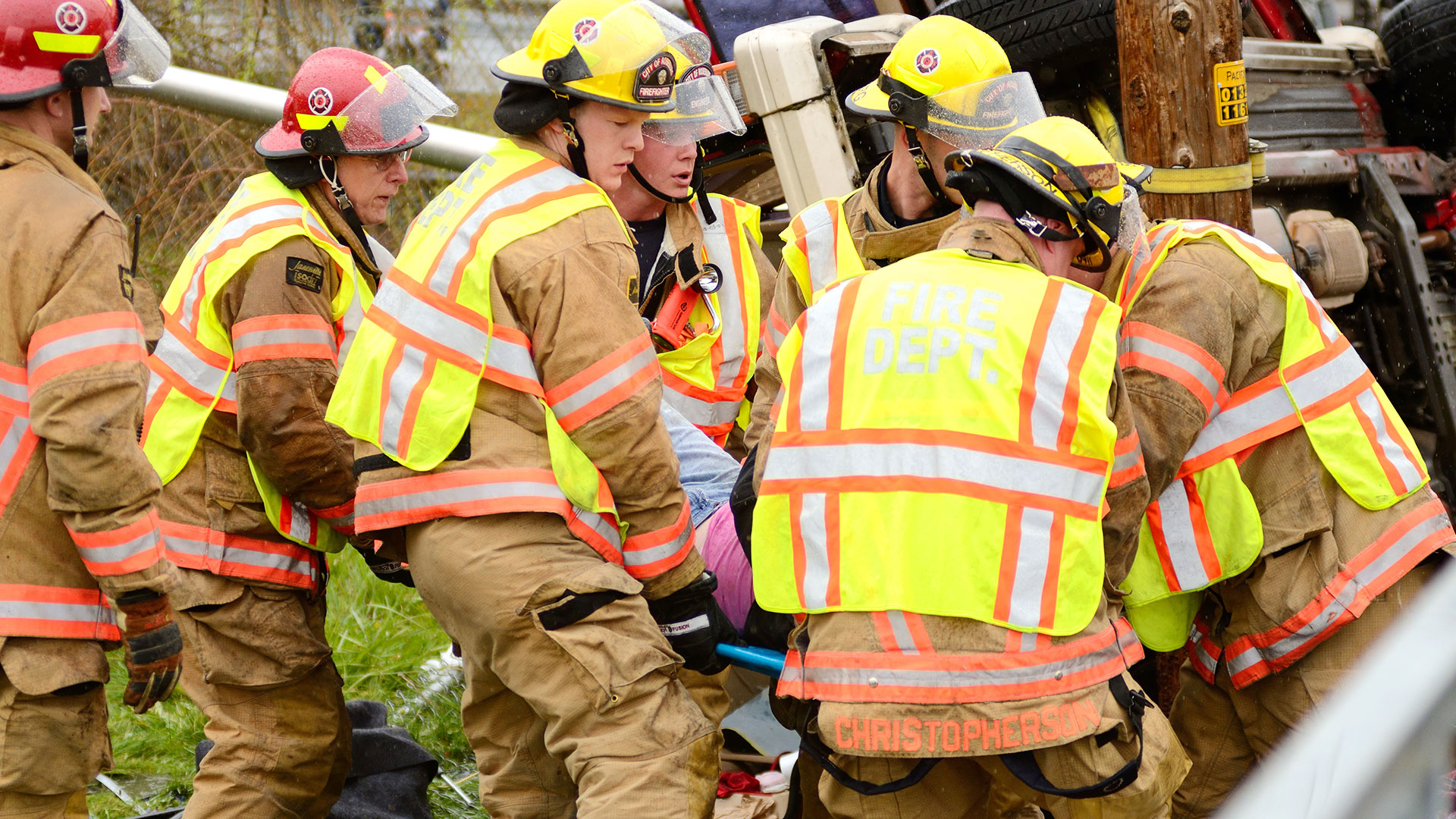
- Front-line workers, physicians, and first responders.
- Veterans and individuals in safety-sensitive or high-responsibility occupations.
- Individuals recovering from concussion, acquired brain injury, chronic pain, or other medical and neurological conditions.
If you’re unsure whether we are the right fit, you’re welcome to contact us for an initial intake call to discuss your situation or have your questions answered.
Psychological Assessment
Assessment is integrated into care from the outset. We use a structured intake and clinical interview process, along with validated screening tools, to develop a clear understanding of your history, symptoms, life context, and goals.
Where appropriate, we provide formal psychological assessments and diagnoses, with comprehensive written reports. These assessments can help:
- Clarify diagnoses (e.g., anxiety disorders, major depressive disorder, PTSD)
- Guide treatment planning based on identified maintaining factors
- Support workplace or academic accommodations
- Inform planning for return-to-work, rehabilitation, or medical care
Our approach goes beyond diagnostic labeling. In addition to identifying whether specific conditions are present, we develop an individualized understanding of how patterns in thinking, emotional responses, behaviour, and stress regulation interact to shape and maintain your current difficulties. This allows us to move beyond symptom management alone and instead target key drivers of your difficulties—supporting more precise, effective, and lasting change, rather than relying on coping strategies or short-term relief.
Psychotherapy and Treatment Approaches
We provide evidence-based psychotherapy at our psychology clinic in Toronto, integrating multiple therapeutic approaches tailored to your needs, goals, and individual presentation.
Approaches include:
- Cognitive Behavioural Therapy (CBT)
- Cognitive Behavioural Therapy for Insomnia (CBT-I)
- Acceptance and Commitment Therapy (ACT)
- Cognitive Processing Therapy (CPT) for trauma
- Emotion-Focused Therapy (EFT) for anxiety, depression, and trauma
- Mindfulness-based approaches
- Client-centred and experiential therapies
- Neuroplastic and trauma-informed approaches for chronic pain and persistent physical symptoms
This integrative approach allows us to address both psychological difficulties—such as low mood, excessive worry, trauma-related symptoms, and stress-related challenges—and the processes that sustain them, including avoidance and fear-based cycles, heightened responses to perceived threat, unhelpful thinking patterns, self-critical and perfectionistic tendencies, core beliefs and emotional schemas, difficulties related to purpose and meaning, adverse early attachment experiences, and difficulties with emotional processing. Treatment focuses on helping you identify, process, and shift these patterns at their source, so that changes in how you think, feel, and act translate into more effective and consistent performance across work, relationships, and day-to-day life.
FAQs about Therapy and Psychological Treatment
If you have any questions, please contact us.
blank
- blank -
What are the symptoms of anxiety, and when should I seek anxiety treatment?
Signs and symptoms of anxiety
Anxiety can present in a range of ways, including excessive worry, panic attacks, feeling physically tense or on edge, and difficulty sleeping or concentrating. Many people begin to seek anxiety treatment when these symptoms persist, worsen, or start to interfere with daily life, work performance, or relationships.
When to seek treatment for anxiety
From a clinical perspective, anxiety therapy is recommended when symptoms are not only present, but are causing significant distress or interfering with important areas of life such as work, relationships, health, or day-to-day responsibilities.
This may show up as difficulty maintaining focus or performance at work or in academics, avoiding situations or people due to anxiety, disrupted sleep, feeling persistently overwhelmed or on edge, muscle tension (e.g., in the neck and shoulders), increased irritability, or fatigue.
When anxiety may indicate an anxiety disorder
When symptoms reach this level of impact, they may meet criteria for an anxiety disorder. Because different types of anxiety (e.g., generalized anxiety, panic disorder, phobias, or trauma-related conditions) can present with overlapping symptoms, accurate assessment and diagnosis by a psychologist or psychiatrist are important to guide the most appropriate, evidence-based treatment targeting the underlying source of symptoms.
Common physical symptoms of anxiety
- Heart racing or palpitations
- Tightness or pressure in the chest
- Trembling or feeling shaky
- Tingling in the hands, feet, or face
- Nausea, diarrhea, or stomach upset
- Hot flashes or chills
- Light-headedness or dizziness
- Feeling physically tense or persistently on edge
- Difficulty falling or staying asleep
- Difficulty concentrating or maintaining focus
- Fatigue or low energy
Common cognitive symptoms of anxiety
- Excessive worry
- Difficulty concentrating due to worry
- Mind going blank or losing your train of thought
- Feeling as though one is going crazy or losing control
- Obsessive thoughts or persistent rumination
What to do if anxiety is affecting your daily life
If your symptoms are ongoing or increasing and beginning to affect your work, relationships, or daily functioning, an initial intake call can help clarify your concerns and guide the most appropriate next steps. Our clinic offers in-person anxiety therapy in Toronto, with virtual services available across Ontario, Quebec, New Brunswick, and Nova Scotia.
You can also learn more about how anxiety develops and responds to treatment in our Anxiety Blog.
What is a panic attack?
What a panic attack feels like
A panic attack is the sudden onset of intense fear or discomfort. It triggers a range of physical and cognitive symptoms, such as a racing heart, chest tightness or pressure, tingling in the hands or feet, or dizziness. Symptoms can be so intense that people often fear they are having a heart attack, suffocating, or in danger of dying. As a result, it is not uncommon for individuals to go to a hospital emergency department during their first panic attack.
Because these symptoms can overlap with medical conditions such as heart problems, it is important to seek medical evaluation if they are new, severe, or unclear.
Panic attacks differ from general anxiety or worry in that they involve a sudden surge of intense symptoms that peak quickly, rather than a gradual build-up of tension. In some cases, escalating anxiety or worry can build to the point of triggering a panic attack.
Common symptoms of a panic attack
- Rapid heart rate or palpitations
- Chest tightness, pressure, or discomfort
- Shortness of breath or feeling smothered
- Dizziness or light-headedness
- Tingling or numbness
- Sweating, chills, or hot flashes
- Feeling detached, unreal, or out of control
- Fear of losing control, suffocating, or dying
Can panic attacks occur during sleep?
Panic attacks can also occur during sleep (sometimes referred to as nocturnal panic attacks). Individuals may wake suddenly with intense physical symptoms such as a racing heart, shortness of breath, or a sense of fear. These episodes can feel particularly alarming, but they are understood within the same framework as daytime panic attacks.
How long panic attacks last and when to seek help
A panic attack typically reaches its peak within a few minutes. It usually subsides within 5 to 20 minutes. In some cases, individuals may experience multiple attacks within a short period or across a single day.
If panic attacks are recurring or lead to avoidance of certain situations or physical sensations (e.g., avoiding activities that increase heart rate or foods and drinks that trigger physical sensations), this may indicate panic disorder. Evidence-based treatment, such as cognitive behavioural therapy (CBT), can be very effective in reducing fear of these sensations and breaking the cycle that drives repeated attacks.
How are panic attacks or panic disorder treated?
When panic attacks occur as part of another condition
Treatment for panic attacks depends on the context in which they occur. Panic attacks can arise as part of several psychological conditions, including generalized anxiety, phobias, trauma-related disorders, or periods of escalating stress. In these cases, treatment is directed at the underlying condition driving the symptoms, rather than the panic attacks in isolation.
Accurate assessment and diagnosis of an anxiety disorder by a registered psychologist are important. This guides the most appropriate and targeted treatment approach. It also helps ensure that treatment focuses on the underlying factors driving symptoms, rather than relying primarily on symptom management strategies, which may provide short-term relief but can inadvertently maintain or worsen the problem over time.
Understanding the panic cycle in panic disorder
When panic attacks occur in the context of panic disorder, treatment focuses on reducing fear of the physical sensations associated with panic and breaking the cycle between physical sensations, catastrophic interpretations, and reactive fear. This cycle can lead to repeated panic attacks, persistent concern about further attacks, avoidance of triggers, and behavioural changes that maintain or worsen panic disorder over time.
For example, someone may notice a racing heart and interpret it as dangerous. This increases anxiety and leads to further escalation of physical and cognitive symptoms, such as shortness of breath, sweating, or fear of having a heart attack or dying. In response, they may begin to avoid situations that trigger these sensations, such as walking up stairs, going to the gym, or engaging in activities that increase heart rate.
Over time, this pattern can shift from occasional panic attacks to persistent concern about having another attack. This is often accompanied by increasing avoidance of both physical sensations and triggering situations—key features of panic disorder.
How panic disorder treatment works (CBT and exposure)
Cognitive behavioural therapy (CBT) is an effective, evidence-based treatment for panic disorder. Treatment includes interoceptive exposure, a targeted technique that involves gradual, repeated exposure to feared physical sensations—such as increased heart rate, shortness of breath, or dizziness—in a safe setting.
As these sensations are repeatedly experienced without the feared outcome (e.g., “I am going to die”), fear of the sensations decreases.
Interoceptive exposure is then paired with broader situational exposure. This involves gradually returning to previously avoided activities, such as exercising, taking the stairs, or re-engaging in daily routines that increase heart rate. Over time, this reduces avoidance and improves tolerance of previously feared bodily sensations.
Over time, CBT can substantially reduce the intensity and frequency of panic attacks. It also supports greater confidence in engaging with previously avoided situations and activities. As fear of the sensations decreases, panic attacks become significantly less likely to occur—even though the sensations themselves may still feel uncomfortable.
If panic attacks are recurring or beginning to limit your activities, an initial intake call can help clarify the nature of your symptoms and guide the most appropriate next steps.
Can a psychologist diagnose anxiety or other mental health conditions?
Yes. Psychologists are regulated health professionals with advanced training—most often at the doctoral level in Canada (Ph.D. or Psy.D.)—in psychological assessment, diagnosis, and evidence-based treatment. They are qualified to assess and diagnose mental health conditions, including anxiety disorders, depression, obsessive-compulsive disorder (OCD), insomnia, somatic symptom disorder (SSD), functional neurological disorder (FND), post-traumatic stress disorder (PTSD), and other trauma-related conditions, among others, and to provide targeted psychological therapy.
In Canada, the title “psychologist” is regulated by provincial colleges. In some jurisdictions, psychological associates (with master’s-level training) may also be authorized to assess and diagnose. Compared to other therapy providers, psychologists receive extensive training in clinical assessment, diagnosis, and treatment, allowing for a comprehensive understanding of how symptoms develop and are maintained. This supports more precise, evidence-based treatment planning, particularly when concerns are complex, overlapping, or not responding to previous approaches.
All psychologists at Toronto Brain Health have doctoral-level training (Ph.D.), and some have additional post-doctoral fellowship training or board certification in the United States. As a Toronto-based psychology clinic, we bring extensive education and clinical experience across clinical psychology, neuropsychology, and rehabilitation psychology. This depth of training supports comprehensive assessment, accurate diagnosis, and the delivery of targeted, formulation-driven treatment for a wide range of psychological and neurological concerns.
You can learn more about the role of psychologists through the Canadian Psychological Association.
How do I determine which type of therapy is right for me?
Many people come to therapy with a specific approach in mind (e.g., cognitive behavioural therapy [CBT] or emotion-focused therapy [EFT]), while others are unsure where to start. Both are appropriate.
How therapy is selected
In practice, the type of therapy used is determined through a careful understanding of your symptoms, diagnosis or case formulation, and the key factors contributing to your current difficulties. This process allows your psychologist to identify which evidence-based approaches are most appropriate for your situation—particularly when concerns are complex or overlapping.
Many individuals present with more than one psychological condition. In these cases, diagnostic formulation—developed collaboratively with you—helps clarify where to begin and which areas of focus are likely to have the greatest overall impact, guiding the initial direction of treatment.
This includes identifying the key processes driving distress and the persistence of symptoms, as well as determining whether a particular condition requires priority in treatment due to its nature or severity. In some cases, one condition may contribute to or worsen others. Targeting the most influential area first helps inform which therapeutic approach is selected and can lead to broader and faster improvement.
How different therapy approaches are used
Treatment is then informed by the strongest available evidence for that condition and the mechanisms involved. For example, cognitive behavioural therapy (CBT) is well-established as an effective treatment for panic disorder and obsessive-compulsive disorder (OCD), where targeting fear-based learning, avoidance, and behavioural patterns is central.
Generalized anxiety disorder or depression may benefit from CBT, emotion-focused therapy (EFT), acceptance and commitment therapy (ACT), or a combination of these approaches. Individuals may connect more or less with different therapeutic approaches, and this is considered alongside clinical evidence to ensure the treatment is both effective and a good fit.
Individuals with complex or repeated trauma may benefit from a more integrative approach. This may draw on cognitive behavioural therapy, cognitive processing therapy (CPT), mindfulness-based approaches, and emotion-focused therapy (EFT). These approaches address not only patterns of thinking and avoidance, but also nervous system regulation, emotional processing, relational patterns, and meaning-making.
Your preferences and goals are always taken into account. At the same time, your psychologist provides clear guidance on the most effective starting point and treatment plan based on clinical expertise and evidence. The goal is not to try multiple approaches without direction, but to select and apply the therapies most likely to address the underlying drivers of your difficulties and support meaningful change—particularly when symptoms have been persistent or not fully resolved with previous treatment.
An initial intake call can help determine the most appropriate starting point and guide next steps, including whether a consultation with a psychologist would be beneficial.
Do you provide trauma therapy or PTSD treatment?
Yes. We provide evidence-based trauma therapy and PTSD treatment for individuals who have experienced a range of traumatic events and adverse life experiences. This includes post-traumatic stress disorder (PTSD), complex or repeated trauma, medical trauma, occupational trauma, and early adverse experiences in childhood or later in life. Our services are delivered by registered clinical psychologists with significant experience in the assessment and treatment of trauma-related conditions.
How trauma can affect people
Trauma can affect people in different ways. Some individuals experience clear symptoms of PTSD, such as intrusive memories, nightmares, avoidance of reminders (e.g., thoughts, conversations, places, or people), heightened reactivity, irritability, and persistent feelings of fear, anger, or guilt. Others may experience more subtle or longstanding effects, including difficulty setting boundaries, low self-worth, emotional numbing, difficulty accessing or expressing emotions such as anger, sadness, or grief, and challenges with safety, trust, and close relationships.
Different types of trauma can also present differently. A single traumatic event may lead to more classic PTSD symptoms, while repeated or cumulative trauma—such as occupational exposure or early adverse experiences—may result in more complex and longstanding patterns of emotional, interpersonal, nervous system, and self-related difficulties.
Racial trauma is increasingly recognized within clinical research and practice, though the lived experience of these stressors has long been present. These experiences are often cumulative and ongoing. While they may not always meet full diagnostic criteria for PTSD, they can result in many overlapping symptoms and require a context-sensitive approach that includes both evidence-based trauma therapy and support in building safety, self-advocacy, and healthy boundaries in environments where stressors may still be present.
Early adverse experiences in childhood (e.g., emotional neglect, abuse, instability in the home, or parental mental health or substance use concerns) can shape how individuals relate to themselves and others. These experiences may affect self-esteem, attachment, sense of safety, emotional awareness, and the ability to regulate or express emotions.
Trauma, PTSD, and related mental health and physical symptoms
Trauma and PTSD are also commonly associated with other psychological conditions, including anxiety, depression, insomnia, and substance use, which may develop as ways of coping with distress. These factors are considered as part of a comprehensive psychological assessment and treatment plan.
Trauma may also contribute to the development of persistent physical symptoms or chronic pain through overlapping psychological and physiological processes, particularly when symptoms are ongoing or not fully explained by medical factors. You can learn more about this connection in our Chronic Pain Clinic.
Trauma can also occur alongside physical injury, such as concussion or more significant neurological events. These situations may involve overlapping cognitive, emotional, and physiological symptoms, including difficulties with attention, memory, sleep, mood, and stress tolerance. An integrated neuropsychological approach is often helpful in addressing both psychological and neurocognitive aspects of recovery. You can learn more about these services in our Concussion Clinic and Neuropsychological Rehabilitation Clinic.
Our approach to trauma therapy
Our approach to trauma therapy is trauma-informed, collaborative, and individualized. Therapy is provided in a safe and supportive environment, with careful attention to pacing. The focus is not on revisiting traumatic experiences prematurely, but on building stability, understanding how trauma is affecting you, and gradually working through experiences in a way that supports meaningful and sustained psychological change.
Evidence-based trauma therapy and PTSD treatment approaches
We draw on well-established, evidence-based treatments for trauma and PTSD, including Cognitive Processing Therapy (CPT), Cognitive Behavioural Therapy (CBT) for trauma, Emotion-Focused Therapy for Trauma (EFTT), and mindfulness-based approaches. Treatment is guided by both the nature of the trauma and the psychological processes maintaining symptoms.
Cognitive Processing Therapy (CPT) for PTSD is a structured, evidence-based treatment that focuses on identifying and modifying unhelpful beliefs that can develop after trauma (often referred to as “stuck points”), such as self-blame or overly negative beliefs about safety, trust, control, or self-worth. Through a structured therapeutic process, individuals learn to examine and update these beliefs, supporting a more balanced and integrated understanding of their experiences and reducing symptoms such as fear, guilt, and shame .
Cognitive behavioural therapy (CBT) techniques are also used to support gradual re-engagement in avoided situations, activities, and life roles through targeted exposure and behavioural strategies. This helps reduce avoidance, rebuild confidence, and support functional recovery.
For individuals with complex, repeated, or early trauma, we may integrate Emotion-Focused Therapy for Trauma (EFTT). This approach focuses on developing emotional awareness and regulation, engaging with unresolved emotional experiences, and transforming maladaptive emotional responses into more adaptive emotional experiences that support changes in behaviour, relationships, and sense of self. Therapy may follow a phased process involving stabilization, emotional processing, and integration, depending on the individual’s needs.
What to expect from trauma therapy
Trauma therapy is an active and collaborative process. Early sessions typically focus on understanding symptoms and building skills to manage distress. As therapy progresses, the focus shifts toward processing trauma-related thoughts, beliefs, and emotional experiences, and supporting changes in how individuals relate to themselves and others.
Treatment may also address patterns of avoidance, shifts in beliefs about safety or trust, and difficulties with emotional regulation or relationships. Over time, the goal is to reduce distress, improve functioning, and support a greater sense of stability, connection, and engagement in meaningful areas of life.
If you are unsure whether your experiences are related to trauma, an initial intake call can help clarify what you’re experiencing and guide the most appropriate next steps, including whether a consultation with a psychologist would be helpful.
We offer in-person trauma therapy in Toronto, with virtual PTSD treatment available across Ontario, Quebec, New Brunswick, and Nova Scotia.

Conditions We Treat
We provide psychological assessment and therapy for a broad range of mental health, medical and neurological concerns:
Anxiety and Panic Attacks
Therapy for anxiety, panic attacks, and related concerns, including:
- Generalized anxiety disorder
- Social anxiety / performance anxiety
- Panic disorder and panic attacks
- Agoraphobia
- Health anxiety
- Specific phobias
Obsessive-Compulsive and Related Disorders
Treatment for obsessive-compulsive disorder (OCD) and related conditions, including:
- Obsessive-compulsive disorder (OCD)
- Body-focused repetitive behaviours (e.g., hair pulling [trichotillomania], skin picking [excoriation disorder])
- Intrusive and distressing thought patterns (e.g., obsessions without overt compulsions)
- Repetitive checking, reassurance-seeking, or mental rituals
Depression, Burnout, and Low Self Esteem
Evidence-based treatment for depression and related conditions (including major depressive disorder and persistent depressive disorder), as well as burnout and stress-related concerns, including:
- Depression and low mood
- Burnout and chronic stress
- Low self-esteem, insecurity, and perfectionism
Trauma and Post-Traumatic Stress (PTSD)
Specialized therapy for trauma and trauma-related conditions (including post-traumatic stress disorder [PTSD]), as well as adjustment to significant life stressors, including:
- Post-traumatic stress disorder (PTSD)
- Trauma-related to medical events or hospitalization
- Complex or repeated trauma in early life or occupational settings
- Adjustment to major life stressors
Sleep Problems and Stress-Related Difficulties
Cognitive Behavioural Therapy for Insomnia (CBT-I) and related sleep disruption, including:
- Insomnia
- Difficulty falling asleep (delayed sleep onset)
- Difficulty staying asleep (sleep maintenance)
- Early morning wakening
Chronic Pain and Persistent Physical Symptoms
Assessment and treatment of chronic pain and persistent physical symptoms, including:
- Chronic pain, migraines and tension headaches
- Fibromyalgia
- Irritable Bowel Syndrome (IBS)
- Chronic fatigue symptoms
- Persistent Postural-Perceptual Dizziness (PPPD)
- Psychophysiological or neuroplastic symptom presentations
- Somatic symptom disorder
- Functional neurological disorder (FND)
- Persistent or medically unexplained physical symptoms
Adjustment to Injury, Illness, and Life Transitions
Support for adjustment to injury, chronic illness and major life transitions, including:
- Coping with brain injury, multiple sclerosis or neurological illness
- Adjustment to chronic medical conditions
- Caregiver stress (e.g., supporting someone with dementia or brain injury)